
Stopping Coastal Moisture: Vapor Barrier Solutions for Michigan Builds
O'Sullivan Builders • August 5, 2026
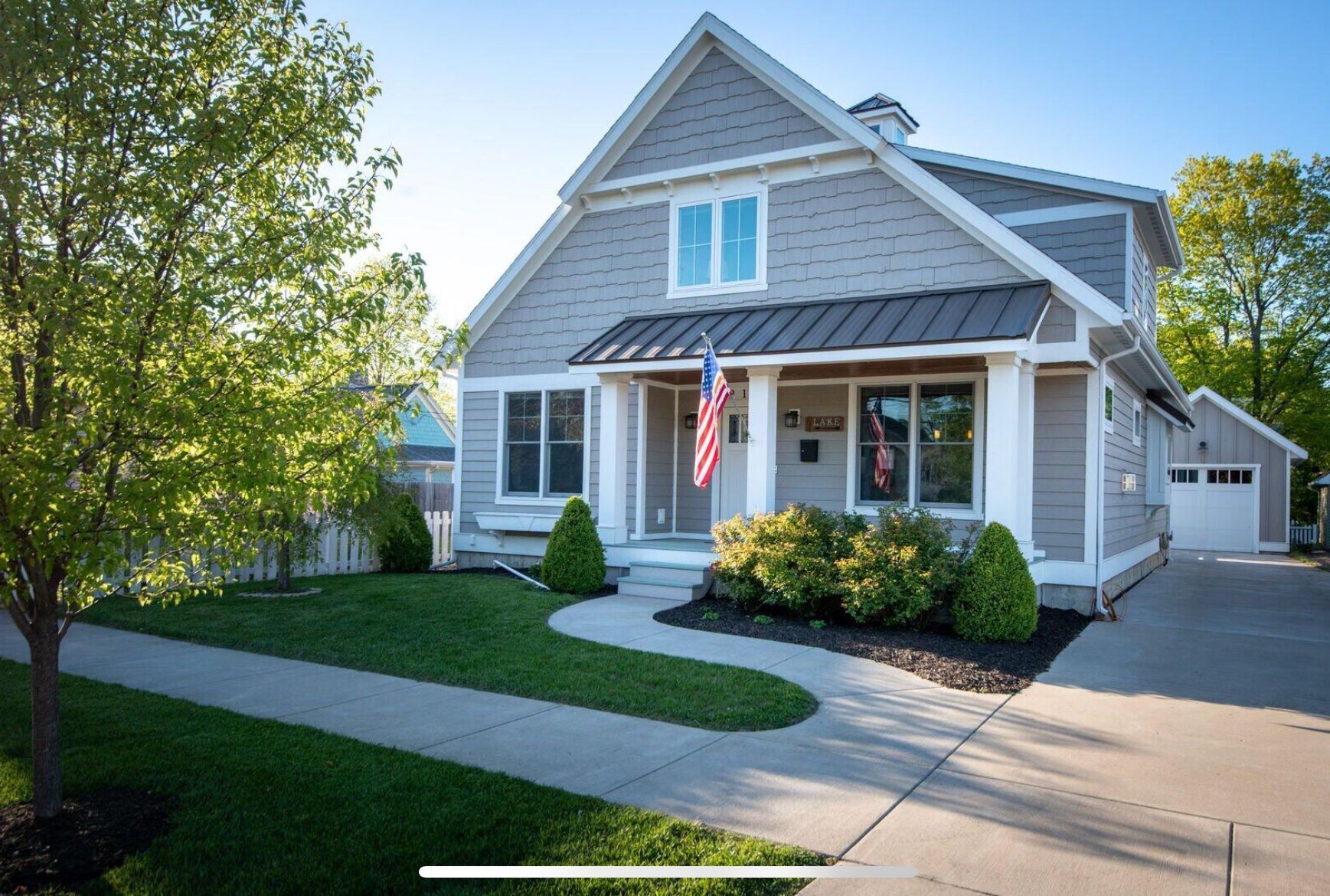
Building a custom home near Lake Michigan brings unique weather challenges that require deep construction expertise. The team at O'Sullivan Builders knows firsthand that coastal moisture is the biggest threat to the structural integrity of your property. Homeowners often focus entirely on interior design while ignoring the invisible battle happening inside their exterior walls. Implementing proper vapor barrier solutions for Michigan builds is the only way to prevent rot and mold from destroying your long term investment.
We see custom residential home builds suffer massive damage when moisture control is treated as an afterthought by fast paced contractors. When humid summer air hits air conditioned drywall inside your home condensation forms deep inside the wall cavity. Without a proper defense strategy that trapped water rots framing lumber and ruins expensive insulation. The right moisture management plan keeps your home dry and solid for decades without constant repairs.
What We Cover:
- The Heavy Cost of Lake Effect Humidity
- Why Plastic Sheeting is a DIY Disaster
- Engineering Walls to Breathe
- Do I need a vapor barrier for a house in Michigan?
The Heavy Cost of Lake Effect Humidity
Living in South Haven Michigan means dealing with relentless humidity and wild temperature swings that punish houses. Moisture naturally moves from warm spaces to cold spaces in a constant cycle. During the summer humid outdoor air constantly tries to push into your cool living room. In the winter the warm heated air inside tries to escape into the freezing outdoors.
When water vapor gets trapped inside a wall cavity without a way to dry out it condenses back into liquid water. This constant wetting cycle destroys structural wood framing and feeds dangerous black mold. We regularly perform residential home remodels where we have to tear out entire walls just because a previous builder skipped basic moisture control steps to save a few dollars.
→ A quick tip to remember: Wood framing can handle getting wet occasionally but it cannot survive staying wet without airflow.
Why Plastic Sheeting is a DIY Disaster
Many people assume that taping up heavy plastic sheeting inside a wall is a foolproof way to stop moisture from getting inside. This is a common and dangerous misconception that causes severe structural damage over time. Plastic traps moisture tightly on both sides of the wall. If water gets behind a solid sheet of plastic from a tiny roof leak it has absolutely nowhere to evaporate.
Trying to seal a wall perfectly with plastic tape on your own is a recipe for disaster. DIY attempts almost always leave tiny gaps where humid air sneaks through the barrier. Once that moisture is trapped behind the plastic it bakes in the summer heat and accelerates the rotting process of your structural beams.
→ From a professional standpoint: Your exterior walls need to block bulk water from rain while still allowing microscopic vapor to pass through and dry naturally.
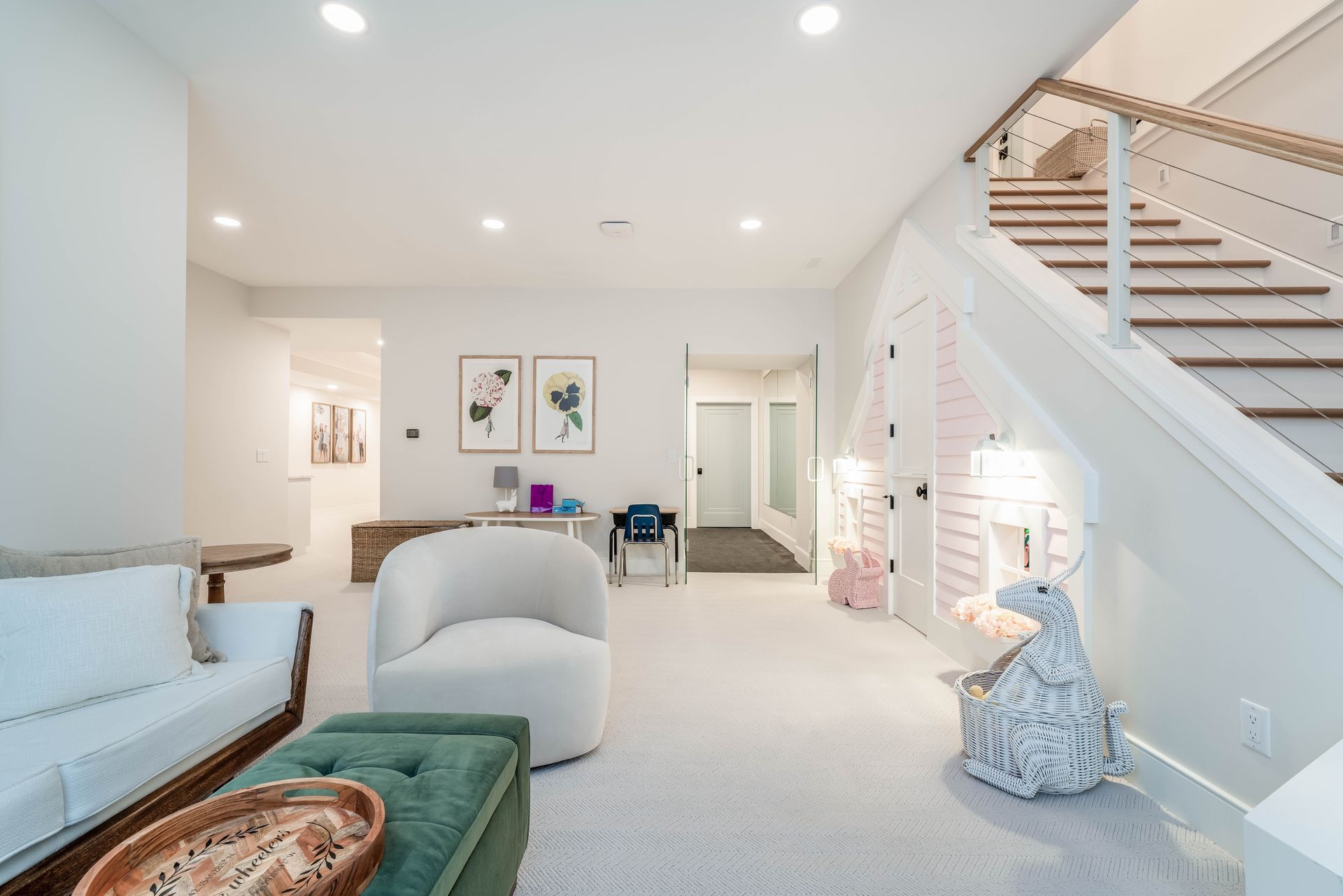
This attention to hidden detail extends from framing moisture control to the final finishing touches in your living space. It is a pattern of reliability the team at O'Sullivan Builders hears regularly from local homeowners.
► Client Experience: We had a great experience with O’Sullivan Builders during our kitchen renovation. Mike and Matt were wonderful to work with, and their team did an amazing job bringing our vision to life. The craftsmanship and attention to detail really showed throughout the project, especially with the backsplash it turned out exactly how I wanted it. Everyone was professional, reliable, and easy to communicate with. We’re so happy with the final result and would highly recommend them! - Tosha M
That same precision and reliable craftsmanship applies just as heavily to what you cannot see behind your drywall.
Engineering Walls to Breathe
Advanced moisture control relies on smart materials rather than cheap plastic blocks. Your home needs an envelope that adapts to the shifting Michigan climate throughout the year. We use variable permeability retarders that change their physical properties based on the humidity level inside the wall cavity.
Do I need a vapor barrier for a house in Michigan?
Yes you absolutely need a vapor barrier for a house in Michigan but it must be the right engineered type. In the winter these smart barriers stay incredibly tight to stop indoor humidity from reaching the freezing exterior wall sheathing. During the humid summer months the material opens up on a microscopic level to let the wall cavity dry inward toward the air conditioning. This scientific approach is the difference between a house that lasts a century and one that rots in a single decade.
→ A quick tip to remember: Smart vapor retarders adapt to the season to keep your structural framing bone dry all year long.
Start Building With Confidence
Proper moisture management is just one invisible piece of a highly successful coastal build. Let our experienced trade experts handle the complex engineering so you can focus on the fun parts of designing your custom space. Reach out to schedule an honest consultation and discuss the structural goals of your next project today.
Share This Blog